Furnace Not Turning On? Checks Before You Call in Delaware
Before calling for service, check the thermostat setting and batteries, the furnace power switch, the breaker …
Learn more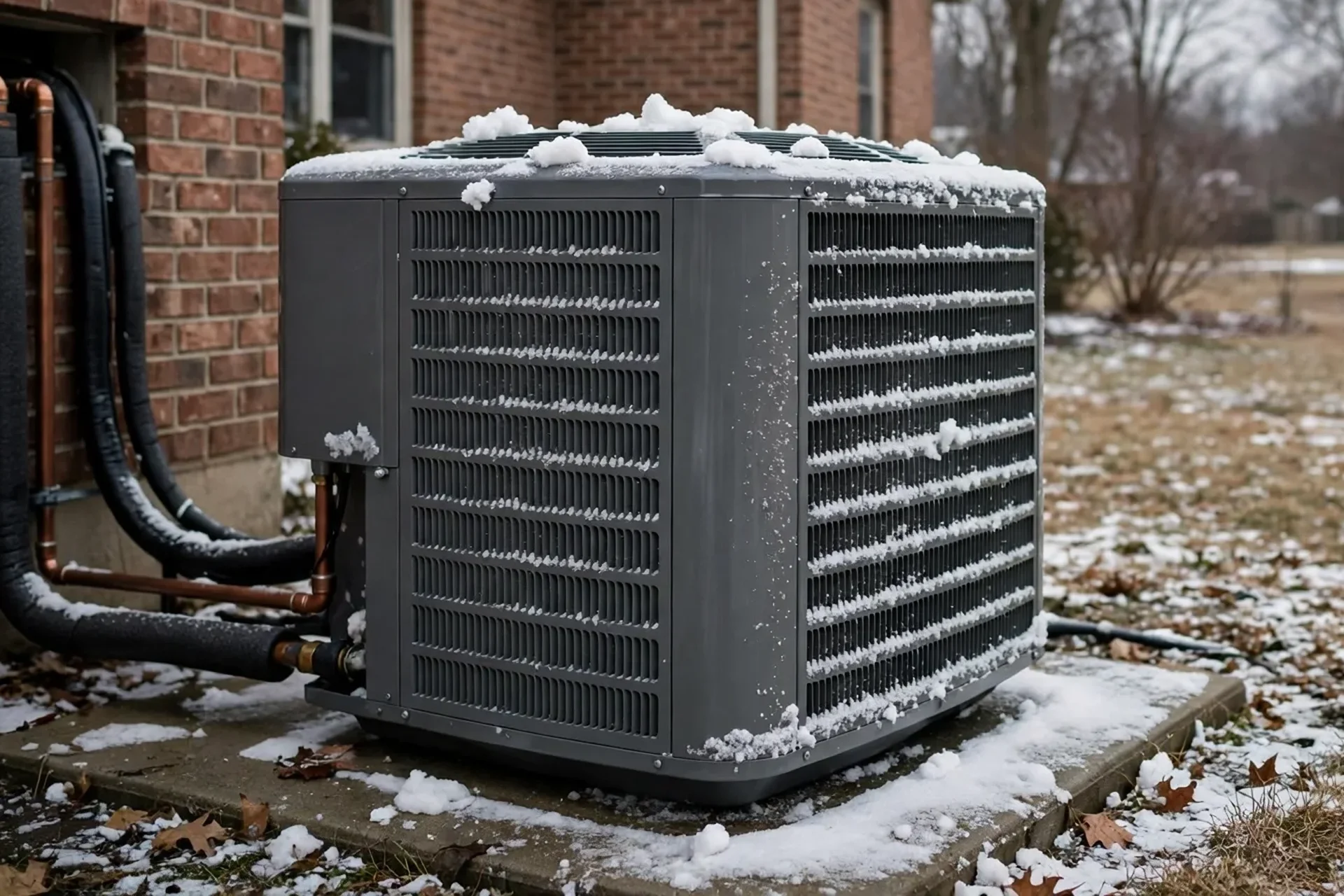
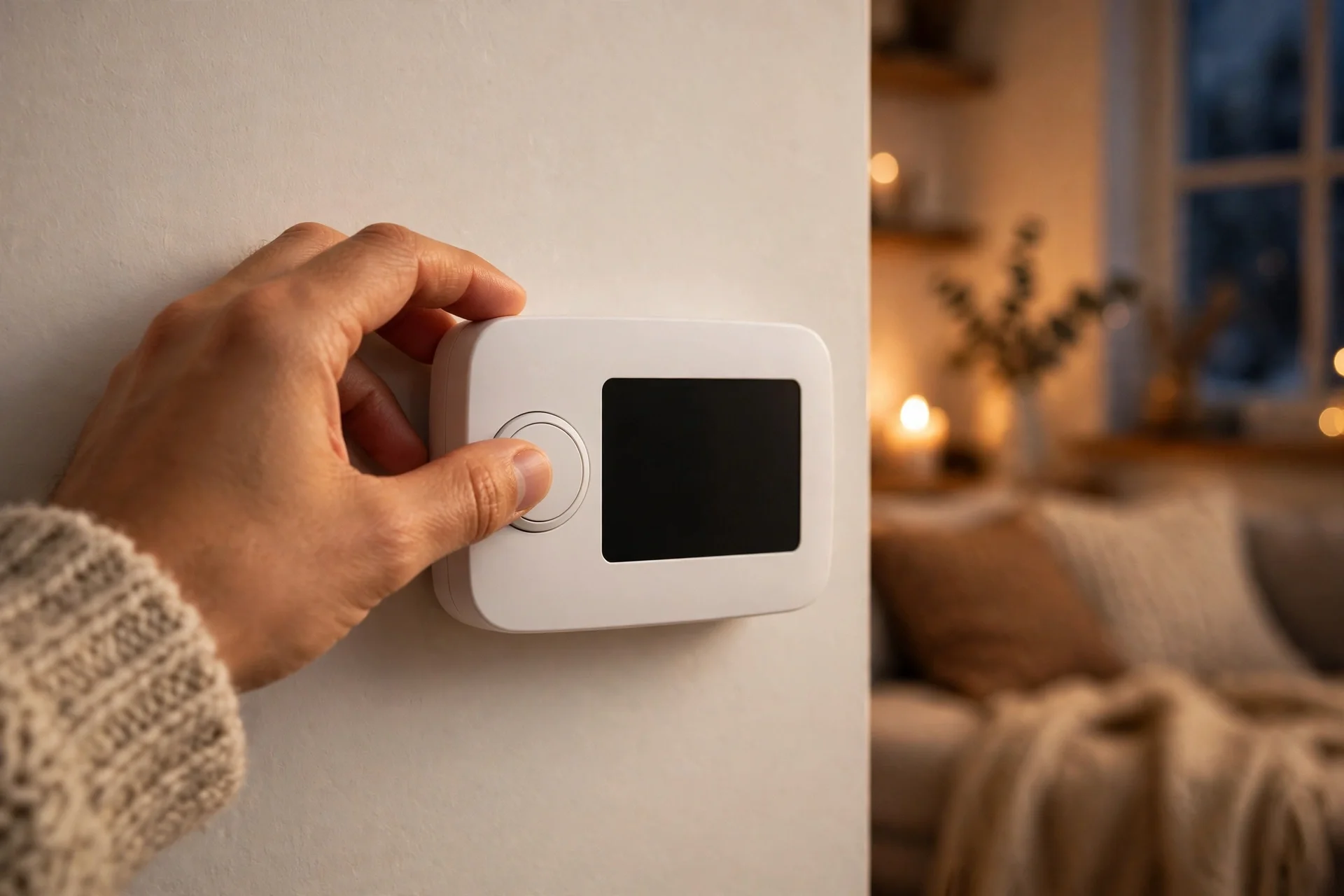
You glance at the thermostat on a January morning in Dover and see a word you were not expecting: EM HEAT. Or maybe AUX. The house feels fine, but the display looks like a failure. Take a breath. In most cases that message means your heat pump did exactly what it was designed to do when Delaware weather turns genuinely cold.
January is when Delaware heat pumps work hardest. Nighttime lows in the teens are common from Wilmington down through Seaford, and a heat pump loses capacity as the outdoor temperature falls. At some point the system needs help, and that help is electric backup heat. This guide explains what those thermostat messages mean, when they are routine, and when they point to a real problem.
You will also learn the simple checks worth doing before you call, and what a technician investigates when backup heat runs far more than it should.
Aux heat and emergency heat both mean the same backup source: electric resistance heat strips inside your air handler, working like a giant toaster. Your heat pump uses them in two different ways, and the thermostat message tells you which one is happening.
AUX HEAT means the heat pump is still running with the strips supplementing it. EM HEAT means the heat pump has been locked out and the strips are doing all the work. The first is usually automatic. The second sometimes is, and sometimes a person switched it on by hand.
Thermostat makers use the terms loosely, so yours may show AUX for automatic backup and EM only when someone selects emergency mode by hand, or it may blur the two. When in doubt, check the manual or look for a physical EM HEAT setting on the mode switch.
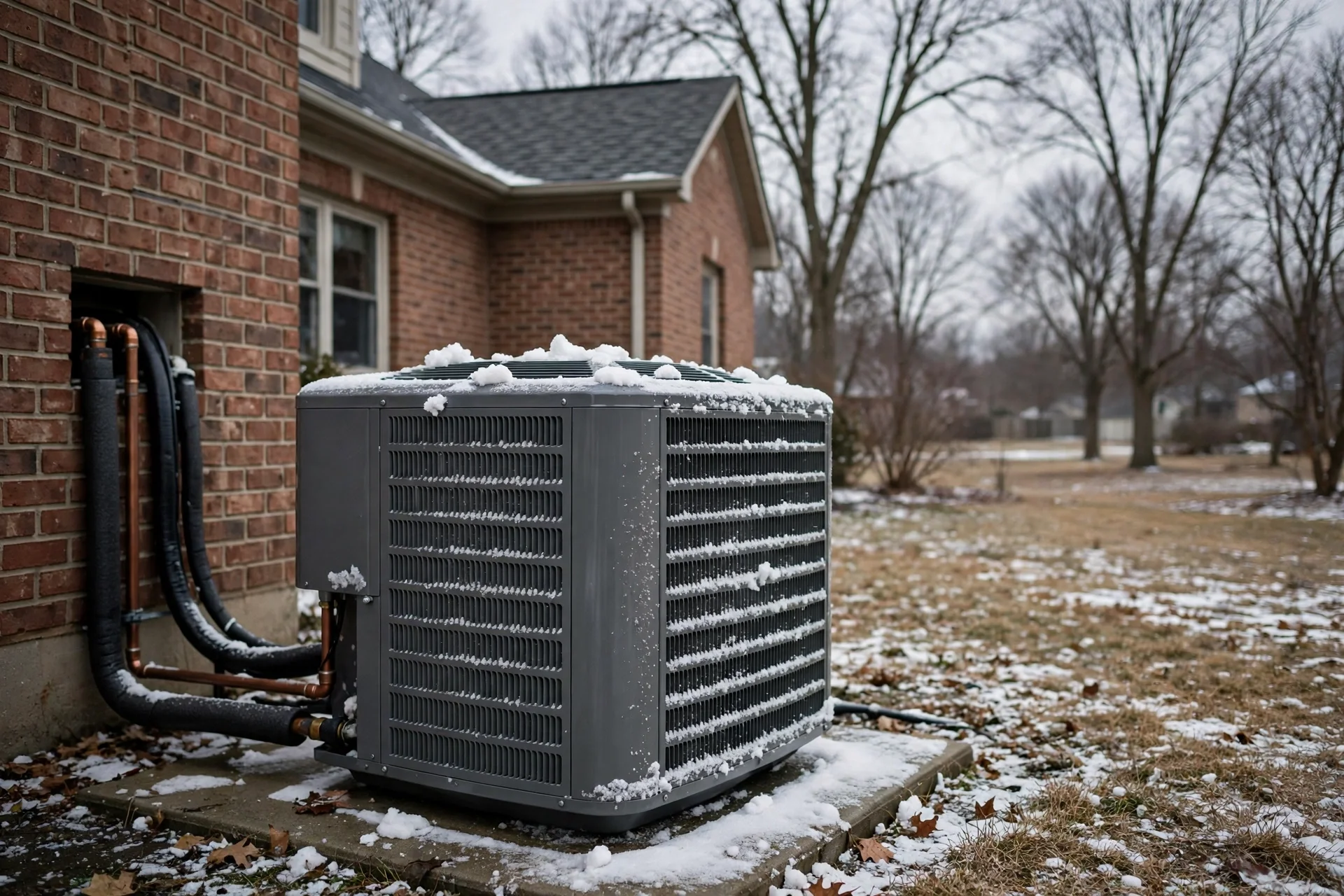
A heat pump does not create heat the way a furnace does. It moves heat from outside air into your home, and that job gets harder as the air gets colder. Most systems lose serious capacity in the 30s, and by the time Delaware nights hit the teens, the heat pump may deliver only a fraction of its rated output.
Delaware sits in an awkward middle zone. Winters here are cold enough for real cold snaps, yet mild enough that a heat pump carries most of the season on its own. Our heat pump vs furnace comparison breaks down how each handles these winters. The result: backup strips sit idle for weeks, then suddenly work overtime during a January cold front. That jump from nothing to constant feels alarming. It is the system responding to weather, not breaking down.
Defrost cycles add to the confusion. In cold, damp air, frost builds on the outdoor coil and the system periodically reverses to melt it, blowing cool air inside for a few minutes while the strips fire to offset it. Glance at the thermostat mid-defrost: you will see AUX. A few minutes later it clears on its own.
Sometimes, yes. During the coldest stretch of a January cold snap, with temperatures stuck in the teens all day, a heat pump may need backup help for hours. If the house stays comfortable and the system returns to normal operation when the weather moderates, nothing is wrong.
The difference comes down to pattern. Backup heat that appears in extreme cold and disappears when it warms up is weather-driven. Backup heat at 40 degrees, or that never shuts off on mild days, is not. That pattern points to the system itself, and a visit for heat pump repair in Delaware can find whether the trouble is controls, charge, or something mechanical.
Your electric meter is the other witness. Heat strips use far more electricity than the compressor. A January bill that climbs far beyond what the cold alone explains is worth investigating, even if the house feels warm.
A few symptoms separate a struggling system from a broken one. The clearest: emergency heat running when the weather does not justify it. If the thermostat shows EM on a 45-degree January afternoon, the heat pump is not being helped. It has been sidelined.
Ice is another tell. Thin frost on the outdoor unit during a cold snap is normal. A coil encased in thick ice that never clears means the defrost cycle is failing, which forces longer and longer stretches of backup heat.
Any one of these is worth a closer look. Two or more together usually mean a fault that will not fix itself.
Before you call, a few minutes of checking can rule out the simple stuff. Start at the thermostat: make sure the mode reads HEAT, not EM HEAT, and that nobody switched it during a cold night and forgot. That happens more often than people admit.
Next, look at the outdoor unit. Clear away snow drifts, leaves, and anything stacked against it. A heat pump buried in a drift cannot breathe, and restricted airflow alone can push a system onto backup heat. Keep a couple of feet clear on every side.
Inside, check the air filter the way you would for a furnace that will not turn on: hold it to the light and replace it if you cannot see through it. A clogged filter chokes the indoor coil and forces the system to lean on the strips. If the thermostat itself has been acting strangely, our notes on thermostat repair and installation cover the signs the control is the problem.
When backup heat runs far more than the weather explains, a technician works through a short list of usual suspects, starting with the defrost control. A failed sensor or stuck relay is one of the most common reasons a heat pump surrenders to the strips in January.
Refrigerant charge comes next. A system low on refrigerant cannot move heat effectively, which looks exactly like a heat pump that has given up in the cold. The thermostat cannot tell the difference. It just sees a house that will not warm up and calls for the strips.
Thermostat wiring and settings get a close look too. A miswired or misconfigured thermostat can lock out the compressor or call for backup heat far earlier than it should, most often after a replacement where the heat pump settings were never configured. A preseason checkup, much like a furnace maintenance tune-up, catches most of these issues before January exposes them.
Read the guide, then describe your furnace problem and we will help arrange the next step.
Because the heat pump alone cannot keep up once temperatures drop into the 20s and teens, so the thermostat brings on electric backup strips to supplement it. Short aux cycles during a cold snap are normal, not a malfunction, and the message clears when the weather moderates.
Only as a stopgap if the outdoor unit has clearly failed, for example it is iced solid or making grinding noises, and you need heat while waiting for a technician. Do not leave it there. Emergency mode runs the expensive heat strips alone and bypasses the problem instead of fixing it.
There is no single cutoff; it depends on the system size, the house, and the model. Most keep contributing heat well below freezing and lean on backup strips during the coldest hours. If yours heats fine at 30 degrees but cannot cope at 35, that gap points to a system issue rather than a weather limit.
No. Emergency mode rests the outdoor unit while the indoor strips carry the load. It will not harm the equipment. The real cost shows up on your electric bill, and the risk is ignoring the fault that forced the switchover.
That means the heat pump is not doing its share. Common causes include a failed defrost control, low refrigerant, a dirty outdoor coil, or a thermostat calling for backup too early. A technician can test each one in a single visit.
Not seeing your question? Call and describe what your heat pump is doing.
Call (302) 488-1617Before calling for service, check the thermostat setting and batteries, the furnace power switch, the breaker …
Learn more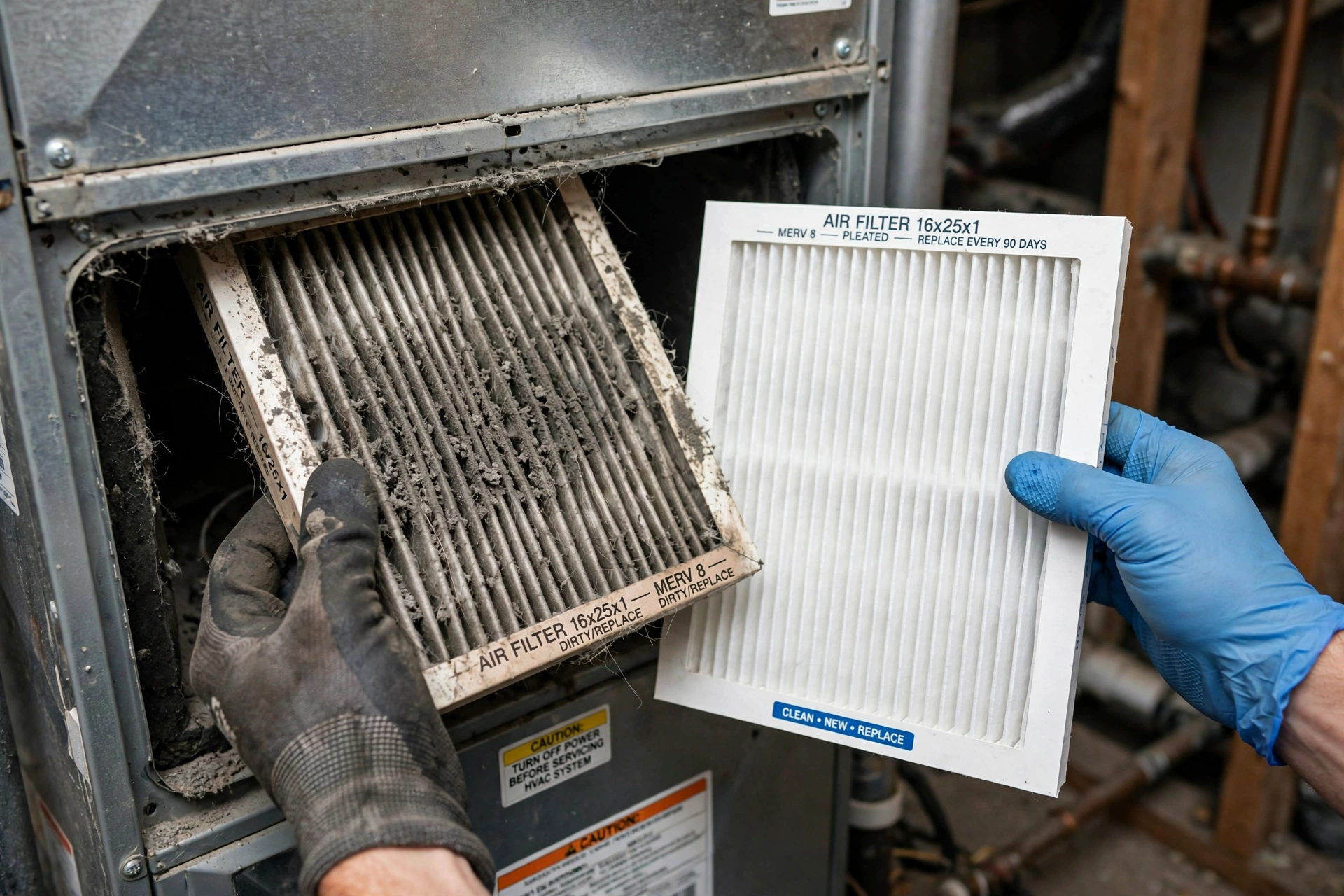
Fall furnace maintenance means changing the filter, testing the heating cycle before cold weather arrives, cle…
Learn more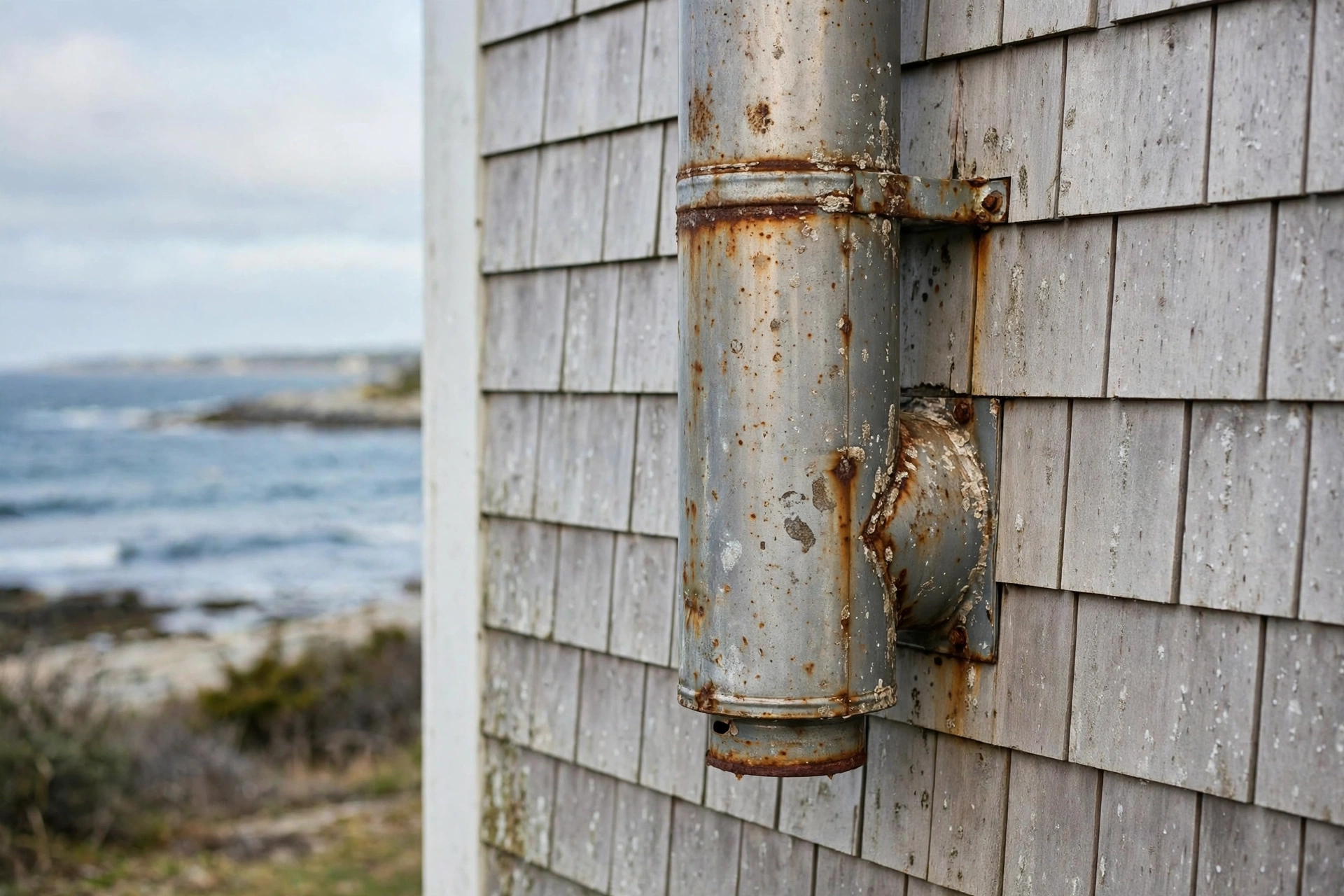
Coastal salt air accelerates rust and corrosion on furnace metal parts, and year-round Delaware humidity adds …
Learn more